
Crisis Group: Gaza Has Paid the Price for Global Inaction

Dear friends of Crisis Group,
As we mark two years since Hamas attacked Israel on 7 October 2023, I had hoped to be able to point to a ceasefire in Gaza. I cannot do that, at least not yet. Although the prospect of a truce has, just in the last week, drawn tantalisingly close, the bombardment of Gaza continues as I write, and so does the captivity of hostages with all the anguish it entails. Crisis Group’s experts are watching the situation minute-by-minute, and offering our thoughts on how best to make something out of the proposal from President Trump that has at long last put the machinery of diplomacy in motion.
The shock and sorrow of that terrible October day two years ago left Israelis with a profound sense of vulnerability, and made a strong military response inevitable. But the nature of that response has brought a wholly different scale of catastrophe to Gaza. Israel has serially uprooted, starved and bombed its people, and flattened entire cities. At least 67,000 Palestinians have been killed and 170,000 injured, numbers that are 50 times the toll among Israelis. The Gaza war has also spurred deadly violence in the West Bank, Lebanon, Syria and Yemen, reaching a new peak with the twelve-day war in June between Israel and Iran (and briefly also the United States). Although some in the region – and Israelis in particular – may feel more secure after these two disruptive years, those multiple side conflicts have also shattered long-standing assumptions of deterrence and pushed the Middle East toward an arms race. Even Qatar, a U.S. ally that has acted as a regional peacemaker, found itself dragged into hostilities in September when Israel struck Doha, its capital, in an effort to kill Hamas officials.
This grim trajectory was not inevitable. Over the past two years in Gaza, fragile ceasefires have repeatedly offered glimpses of the immense relief to all sides that could have been brought by de-escalation. But each pause was squandered, broken either by renewed military operations or by the absence of a sustainable political framework. Calls for restraint were too often drowned out by maximalist aims, leaving civilians to pay the highest price for strategies that offered no durable security for any side.
The fact is that the world let this disaster happen. True, the U.S. did insert itself into peacemaking. But despite the massive leverage created by its funding and supplying of Israel’s wars, until these last few days the U.S. consistently shied from wielding sufficient clout to persuade its ally to stop. Europe also had tools it could use, such as suspending arms sales, trade benefits, visas or cooperation programs, and sanctioning Israeli leaders. But despite some creative diplomatic initiatives, such as France’s joint initiative with Saudi Arabia to revive momentum behind the two-state solution, Europe has proved too slow and too divided to project effective influence. Arab and other regional states hold their own influence, both over Israel and over Hamas – such as by jointly halting or reversing Israel’s push for regional integration, or by threatening to expel Hamas’s exiled leaders. But until recent weeks they had also failed to act convincingly together.
Across our work, our message over the past two years has been consistent: securing a ceasefire in Gaza, linked to the hostages’ release and massive humanitarian access, is the necessary first step for stabilising the region. In the past few days, as President Trump has focused the immense power of the U.S. on precisely this goal, we are hoping to glimpse a light at the end of this long and terribly dark tunnel. The proposal he has tendered is imperfect. There are myriad ways it could fall apart, and outside powers will need to keep up pressure on both sides, but it does offer hope of a way out, provided Washington stays engaged.
As the situation unfolds, Crisis Group will continue to offer our signature reporting, sharp analysis and pragmatic solutions both for Gaza and for the prevention, mitigation and resolution of conflicts and crises across the Middle East. You can find a sample of our work on the war in Gaza and related conflicts below my signature.
Comfort Ero,
President & CEO

What to Make of Trump's Gaza Plan? 
Can the World Make Recognition of Palestine's Statehood Matter? 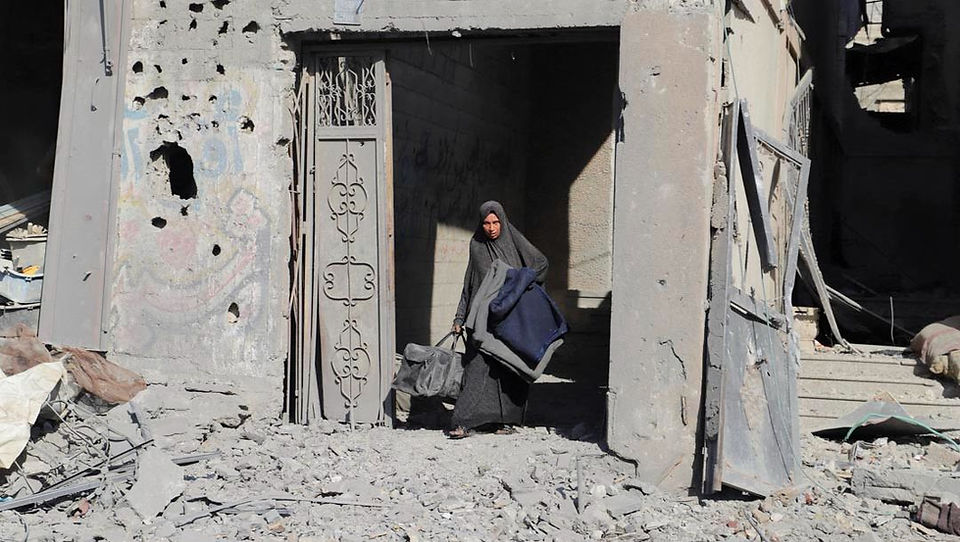
The World's Shame in Gaza 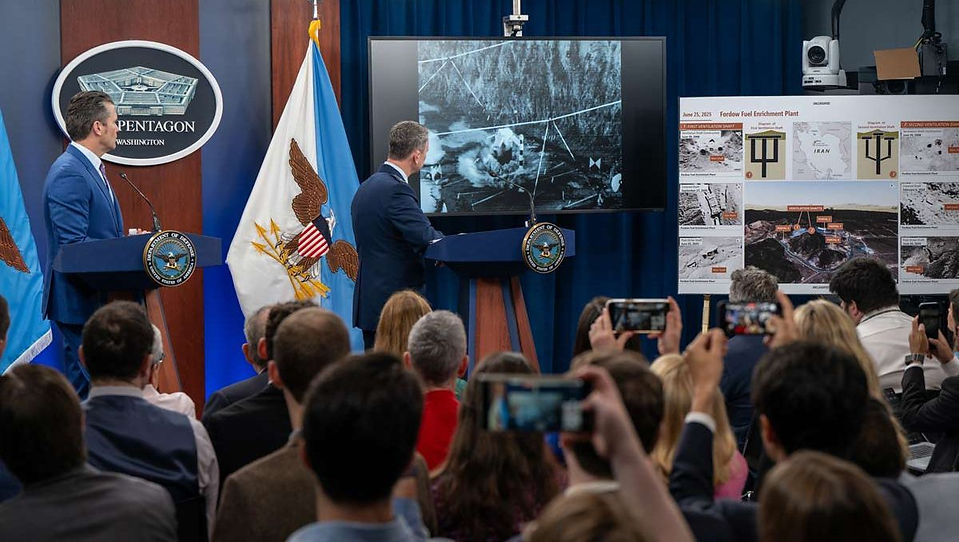
A Three-point Plan for Consolidating the Israel-U.S.-Iran Ceasefire 
Reinforcing the Shaky Israel-Lebanon Ceasefire A Twelve-Day War, A New Middle East? 
Gaza Without Gazans 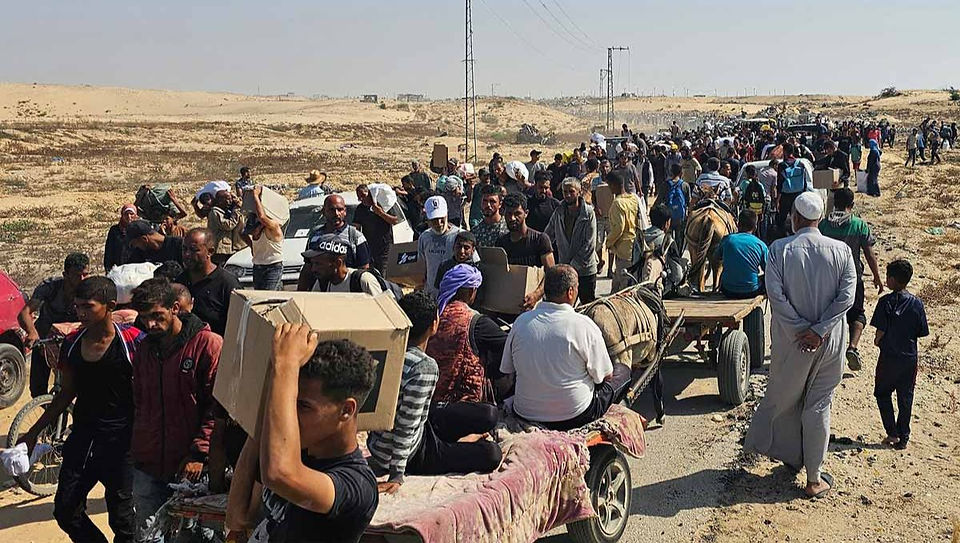
The Gaza Starvation Experiment 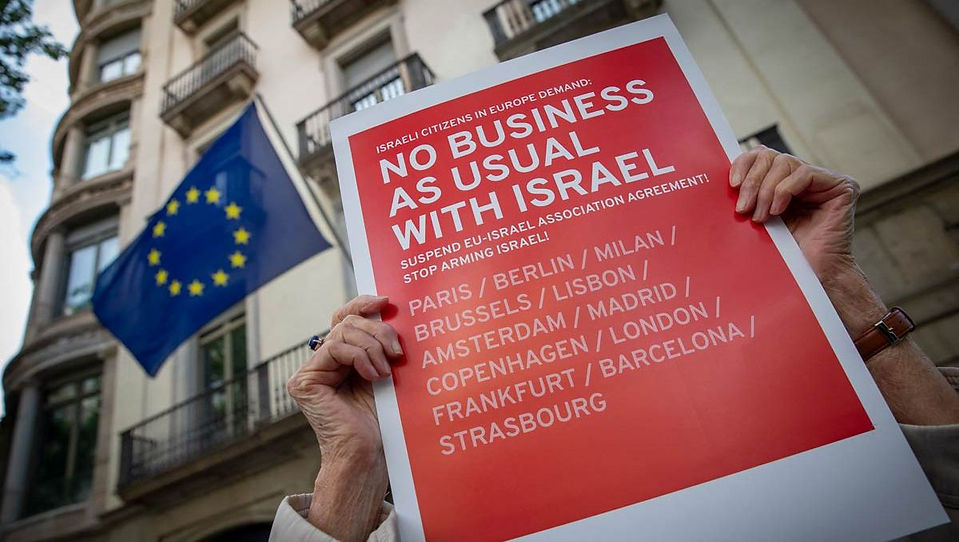
Europe on Gaza: Words Are Not Enough 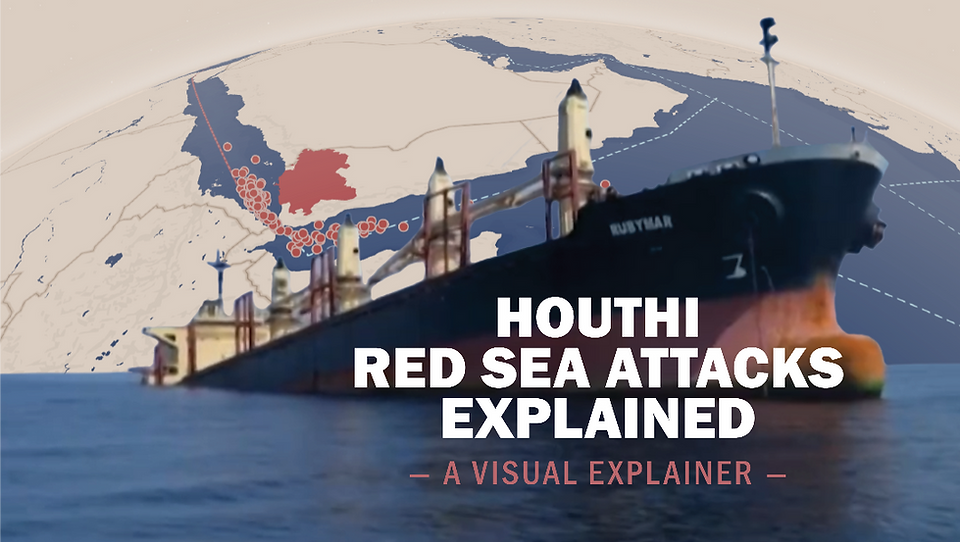
The Houthis’ Red Sea Attacks Explained 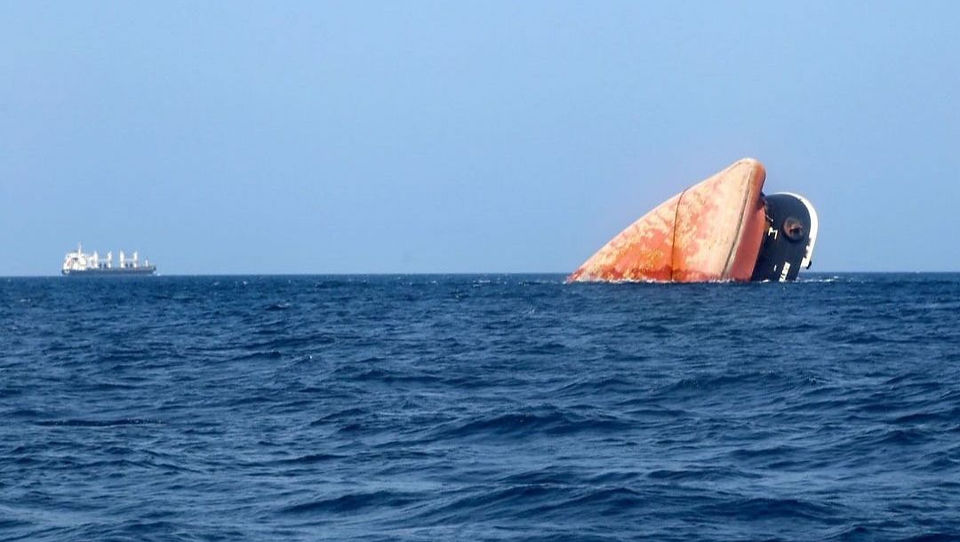
Calming the Red Sea’s Turbulent Waters 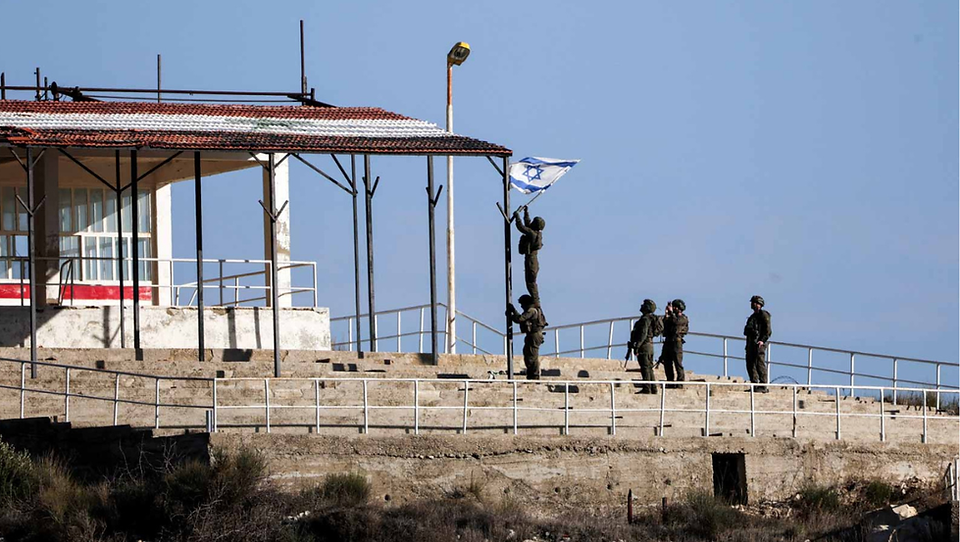
How Israel’s Overreach in Syria May Backfire 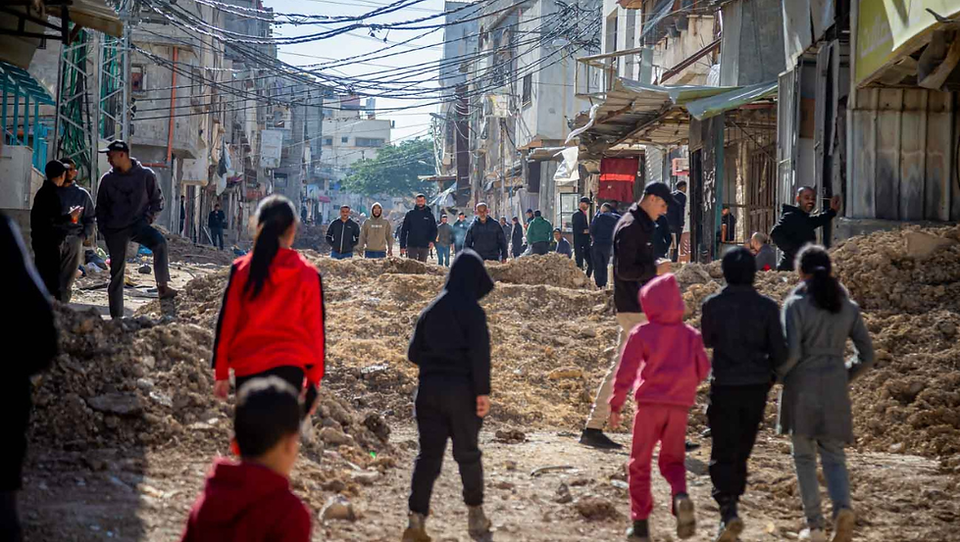
Israel’s West Bank Incursions Highlight the Dilemmas of Palestinian Politics 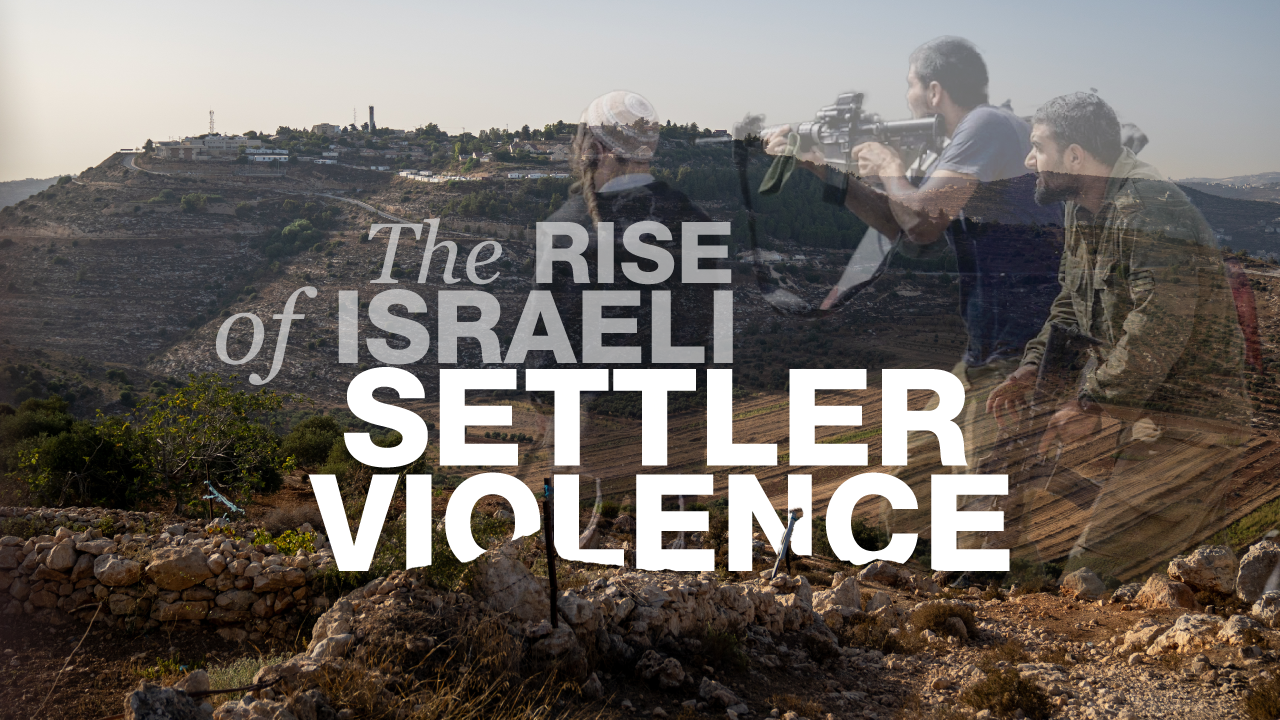
The Rise of Israeli Settler Violence in the West Bank
Copyright © 2025 International Crisis Group, All rights reserved.


Comments